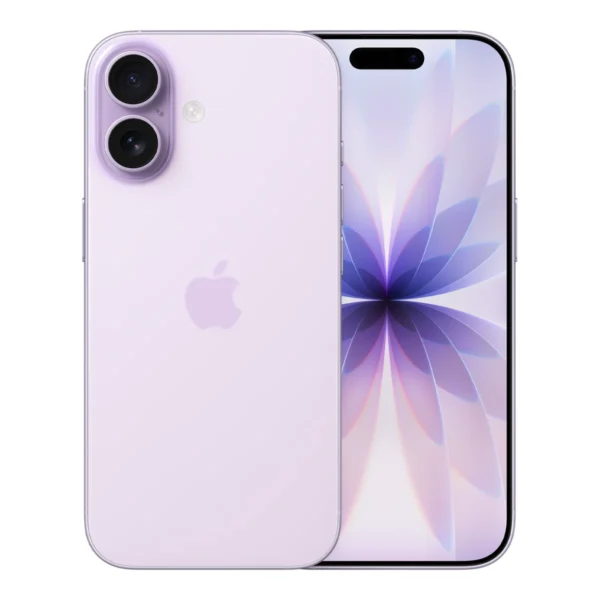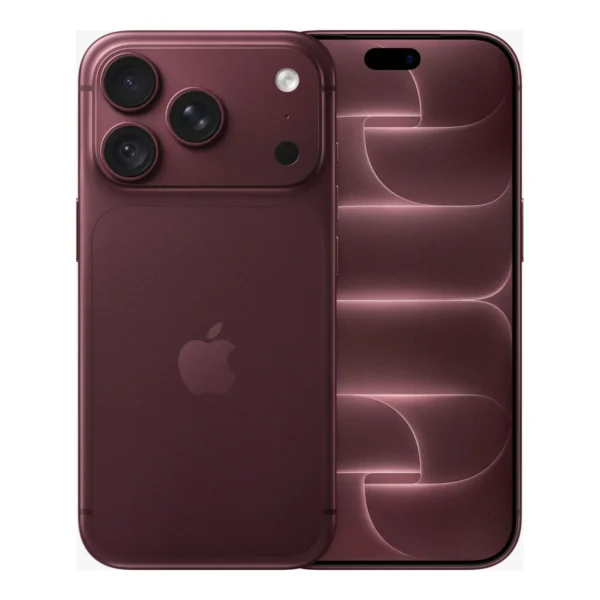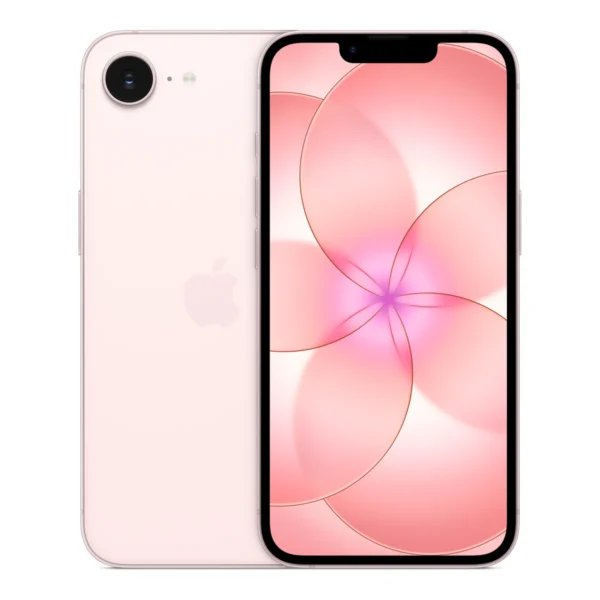
The Apple iPhone 14 is the standard 6.1-inch model of Apple’s 2022 lineup. Apple announced it on September 7, 2022, and it went on sale on September 16, 2022. In the US, it started at $799 with 128GB of storage. Apple discontinued the iPhone 14 in February 2025, when it launched the iPhone 16e. The direct successor is the iPhone 15.
Design and display
The iPhone 14 keeps a flat aluminum frame with a glass back and a Ceramic Shield front. It measures 146.7 x 71.5 x 7.8 mm and weighs 172 grams. The body is rated IP68, which means it survives up to 6 meters of water for 30 minutes.
The 6.1-inch Super Retina XDR OLED panel has a resolution of 2532 x 1170 pixels at 460 ppi. It runs at 60Hz, so there is no high refresh rate. Typical brightness is 800 nits, and HDR content peaks at 1,200 nits. The display supports HDR10, HDR10+ and Dolby Vision playback. A notch at the top houses the TrueDepth camera for Face ID.
Performance
Inside is the Apple A15 Bionic, the same chip family that debuted in the iPhone 13 series. Here, it comes with a 6-core CPU and a 5-core GPU. Apple pairs it with 6GB of RAM. Storage options are 128GB, 256GB and 512GB, and there is no memory card slot.
Cameras
The rear has two 12MP cameras. The main camera uses a 26 mm lens with an f/1.5 aperture and sensor-shift optical image stabilization. The ultrawide camera has a 13 mm lens, an f/2.4 aperture and a 120-degree field of view. There is no telephoto camera, so zoom is digital beyond 1x.
The 12MP TrueDepth front camera has an f/1.9 aperture and gained autofocus on this model. Both the rear and the front cameras record 4K Dolby Vision HDR video at up to 60 fps. Action mode and Cinematic mode are also available.
Battery and charging
The battery has a capacity of 3,279 mAh. Apple rates it for up to 20 hours of video playback. With a 20W adapter, the phone reaches 50% in about 30 minutes. MagSafe wireless charging runs at up to 15W, and Qi charging at up to 7.5W. The box includes only a USB-C to Lightning cable, without a charger. The port is Lightning, not USB-C.
Software and updates
The iPhone 14 shipped with iOS 16. Apple does not publish a fixed update period for its phones. The phone also added Crash Detection and Emergency SOS via satellite. US models use eSIM only, while models sold elsewhere keep a nano-SIM tray.
Should you buy the iPhone 14?
The iPhone 14 is no longer produced, and Apple has replaced it with the iPhone 15. It still suits buyers who want a compact iPhone with Face ID, IP68 and satellite SOS. However, it has a 60Hz screen, a Lightning port and no telephoto camera. Buyers who need USB-C or a newer chip should look at the iPhone 15 instead.