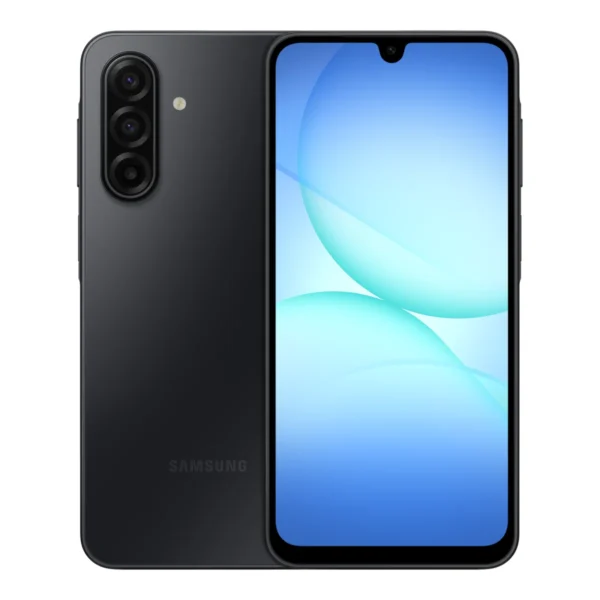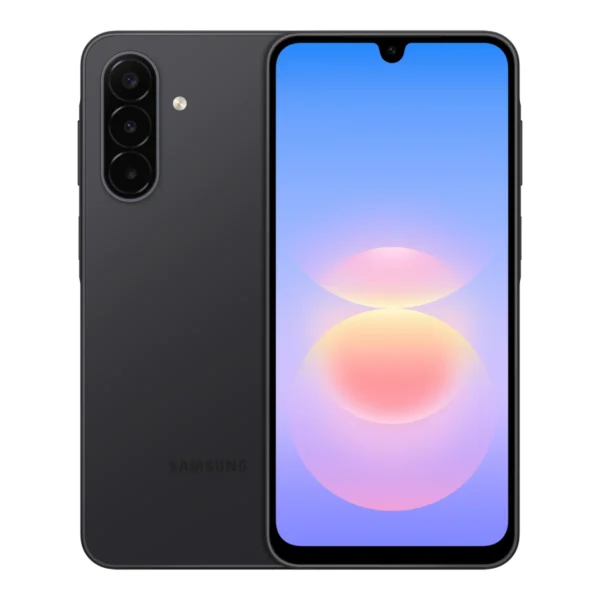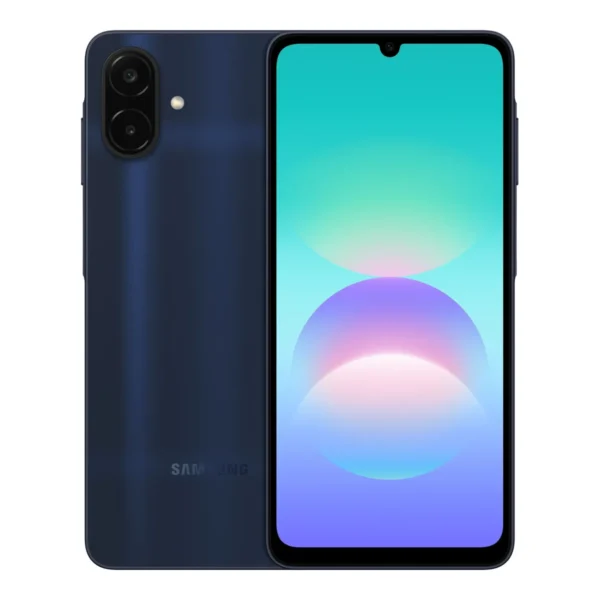
The Samsung Galaxy A14 5G was the first Samsung phone of 2023. Samsung announced it at CES on January 4, 2023. It went on sale in the US on January 12. The unlocked model cost $199.99 with 4 GB of RAM and 64 GB of storage. In Germany, it launched at €229. Samsung later replaced it with the Galaxy A15 5G, and the A14 5G is no longer produced.
Design and display
The A14 5G has a plastic frame and a plastic back with a ripple pattern. It measures 167.7 x 78 x 9.1 mm and weighs 202 grams. There is no IP rating for water or dust resistance.
The 6.6-inch LCD has a 1080 x 2408 resolution and a 90 Hz refresh rate. That is smoother than the 60 Hz panel of the 4G Galaxy A14. The fingerprint reader is built into the power button.
Performance
US and European models use the MediaTek Dimensity 700. This 7 nm chip has two Cortex-A76 cores at 2.2 GHz and six Cortex-A55 cores. In some other markets, Samsung sold the phone with its Exynos 1330 instead. The phone has 4 GB or 6 GB of RAM and 64 GB or 128 GB of UFS 2.2 storage. A microSD slot takes cards up to 1 TB.
Cameras
The rear setup has three cameras. The main camera uses a 50 MP sensor with an f/1.8 lens. It works with a 2 MP macro camera and a 2 MP depth sensor. Unlike the 4G model, there is no ultrawide camera. The front camera has 13 MP and an f/2.0 lens.
Battery and charging
The battery has a typical capacity of 5,000 mAh. Charging runs at up to 15 W over USB-C. There is no wireless charging.
Software and updates
The phone shipped with Android 13 and One UI Core 5. Samsung promised two major Android upgrades and four years of security updates. The A14 5G received Android 15 with One UI 7 in 2025. It also keeps a 3.5 mm headphone jack, Bluetooth 5.2 and Wi-Fi 5.
Should you buy the Galaxy A14 5G?
The Galaxy A14 5G is no longer produced, and its successor is the Galaxy A15 5G. It still covers the basics for light use, with 5G, a 90 Hz screen and a large battery. Buyers who also want a headphone jack and a memory card slot may find it useful. However, its security updates are expected to end in 2027.